Catch a Plane Beginner Guide
If you are new to Catch a Plane, your first goal is not the highest Cash multiplier. It is a repeatable flight: train Strength, buy a practical pair of Gloves, catch a plane you can hold, and reach the finish. Finished flights award Trophies, which are the progress currency used to open later Worlds.
Your first flight route
Follow this order for the first few runs:
- Enter the free Training area and build Strength before looking for a flight.
- Check the Flight Schedule and choose a plane whose recommended Strength is realistic for your current build. A supplied video example shows a flight marked
1,000 Strength; treat that as an example, not a universal requirement. - Buy the first affordable Gloves upgrade. Gloves and Strength solve different problems: Strength supports how long you can hang on, while Gloves improve your catching ability and the weight of plane you can handle.
- Watch the aircraft's path, move underneath it, and jump as it comes within reach. Looking at where the plane will be is more reliable than jumping at its current position.
- While attached, collect Cash and watch your grip. If another plane is visible, release before your grip is empty so you can steer toward the next catch.
- Prioritize reaching the finish over setting a distance record. Bank the Trophy, spend the Cash on the next useful upgrade, and repeat.
The key decision is simple: take the plane you can finish with, not the plane with the largest displayed multiplier. A failed high-value attempt can earn less than a clean run on an easier plane. For a fuller risk-and-reward comparison, use the plane selection guide.
Strength, Gloves, and Cash
| System | What it helps with | Best beginner use | Boundary |
|---|---|---|---|
| Strength | Holding onto a plane for longer | Train before every serious attempt | Training does not continue while you are aboard a plane |
| Gloves | Catching and handling heavier planes | Buy an upgrade you can afford after a few flights | Exact glove statistics are not documented in the supplied evidence |
| Cash | Buying Gloves, Gear, Parachutes, and other upgrades | Spend early Cash on reliable flight capability | Cash is not the same as Power, distance, or Trophies |
| Power | Training progress | Build it in Training before boarding | The supplied material does not establish a complete Power formula |
| Trophies | World progression | Finish flights and bank the reward | A recorded threshold is 10 Trophies; verify the live in-game requirement |
This separation prevents the most common early mistake: buying a Cash multiplier before you can complete a flight. Multipliers affect the value of success; Strength and Gloves make success more likely. If holding the plane is the problem, follow the Strength and training route before spending more Cash.
How to choose a plane
Use the schedule as a decision tool rather than a ranking:
| Situation | Choose | Why |
|---|---|---|
| You are still learning the jump | A nearby, slower plane | It gives you a safer timing test and a better chance to attach |
| You can catch but quickly lose grip | A lighter plane, then train Strength | The immediate problem is hold time, not approach timing |
| You can hold easy planes consistently | A stronger Gloves upgrade or the next manageable plane | Expand the aircraft you can handle without risking every run |
| You fall after releasing | A route with another visible plane and a Parachute if available | Recovery tools reduce the cost of a missed connection |
| The schedule shows a high multiplier | Take it only if you can finish it | A multiplier is not a substitute for the recommended Strength |
The exact plane roster, rates, and live requirements can change. The local evidence confirms the relationship between stronger Gloves and heavier planes, but it does not provide a complete current table of plane requirements or Cash payouts.
Chain flights without wasting grip
Once you catch a plane, treat your grip as a resource you are spending. Do not wait automatically for it to reach zero. Instead:
- Look along the flight line while you still have control.
- Identify the next reachable plane before releasing.
- Release with enough time to steer toward that aircraft.
- Use a Parachute, Jetpack, or Gravity Wings when the route or landing is difficult.
- If no safe target is visible, protect the current run rather than forcing a connection.
These items are movement and recovery tools, not replacements for Strength. The supplied evidence names Jetpack, Parachute, and Gravity Wings, but does not confirm their exact values, rarity, or drop chances. Gear Boxes are therefore a useful secondary spend after the first Gloves upgrades, not a guaranteed shortcut.
From finishes to Worlds
The early progression loop is:
Training → Gloves → Plane → Cash → Finish → Trophy → World
Reaching the finish matters because a long flight and a successful flight are not the same result. Distance records are useful for comparison, but Trophies are the milestone that moves World progression forward. The supplied records point to 10 Trophies for a later World; use the game's current unlock panel as the final authority if the displayed requirement differs.
After a World unlocks, expect the same basic loop with higher requirements: train in the available area, select a manageable plane, use Gear to improve recovery, and finish runs before attempting ambitious distance chains. Rebirths are a later reset-and-boost system mentioned in the evidence; they can open more efficient Training areas, but the exact conditions are not documented here, so do not plan a reset around an assumed threshold.
Progress toward the next World in Catch a Plane
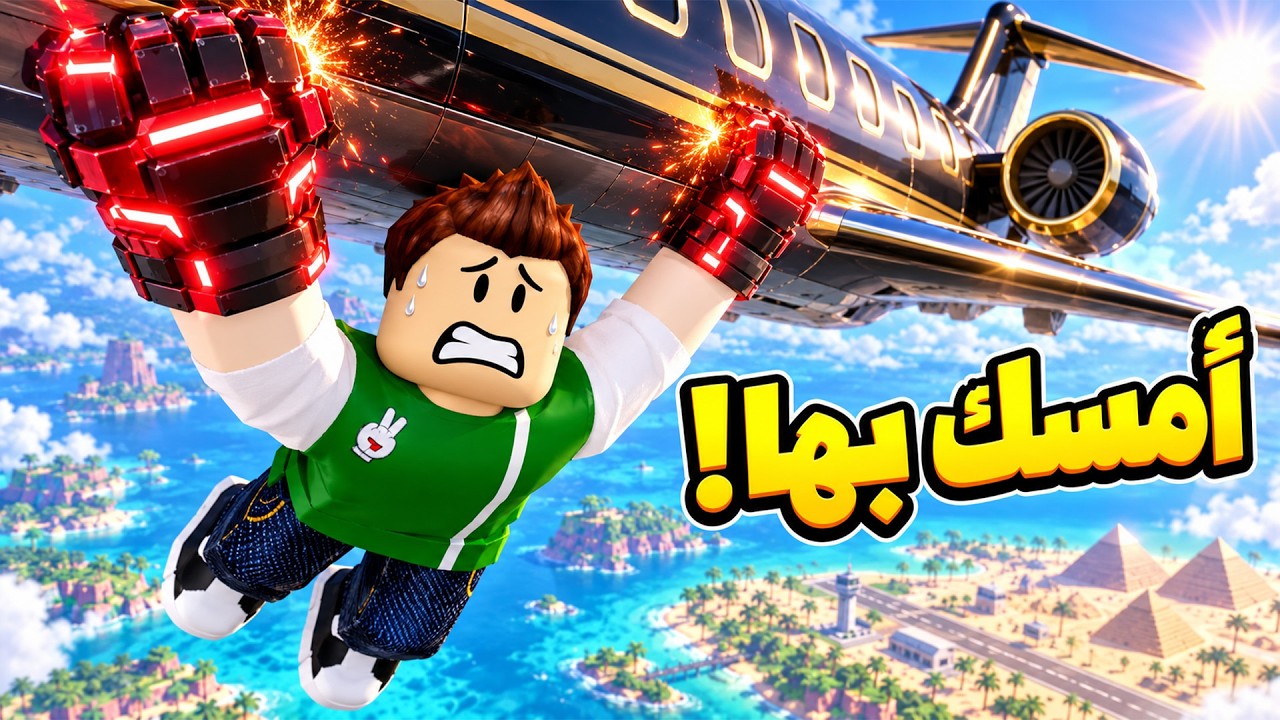
This moment supports the progression section by showing the move toward the next World after advancing through the current area.
Mistakes that slow new players
- Training after boarding: prepare Strength first because the evidence says you cannot keep clicking to increase Power during the flight.
- Chasing the biggest multiplier: choose a flight you can complete; an unfinished high-multiplier attempt does not advance your Trophy total.
- Jumping at the plane's current position: lead the aircraft and jump into its path instead.
- Holding until grip is empty: release while you can still steer if a second plane is available.
- Treating Gear as grip: Jetpacks, Parachutes, and Gravity Wings help movement or recovery; they do not replace the documented role of Strength.
- Mixing currencies and progress: Cash buys upgrades, Power supports training, distance measures performance, and Trophies unlock Worlds.
What to do after your first finish
Use the next run to fix the specific reason the previous run ended. If you never reached the plane, improve timing or approach. If you caught it but fell quickly, train Strength. If you survived but could not connect to the next aircraft, look for a safer route or obtain movement Gear. Once finishes are consistent, spend toward Gloves and then test the next plane class shown by the schedule.
The supplied materials also mention an Airline management mode involving passengers, service, safety procedures, and aircraft upgrades. Its relationship to the main grab-and-fly progression is not confirmed, so this guide keeps that mode separate rather than presenting its systems as part of the beginner flight route.